
Get Pear Trees Pruning in Brighton, MI
Property owners in Brighton, MI, can find local contractors who specialize in pruning pear trees to improve health, remove hazards, and shape trees for better growth.
Proper pruning of pear trees is essential for maintaining healthy growth, improving fruit production, and ensuring the safety of your property. For property owners in Brighton, MI, managing the health and appearance of fruit-bearing trees can be a practical part of seasonal yard care or orchard management. Exploring options for professional pruning services allows residents to compare local contractors who specialize in tree maintenance and can help develop a tailored approach to meet specific landscape needs.
As you consider your property’s tree care projects, understanding the benefits of working with experienced service providers can make a difference. Local contractors in Brighton and nearby areas have the knowledge to handle various pruning techniques, ensuring your pear trees remain vigorous and attractive. Keep reading to learn more about how these professionals can support your landscape goals and help you find the right fit for your tree maintenance needs.
- Pear Tree Pruning - needed when overgrown branches threaten the health or appearance of the tree in residential yards or parks.
- Fruit Tree Pruning - necessary to improve fruit production and maintain the shape of pear trees in neighborhoods around Brighton, MI.
- Storm Damage Pruning - required after severe weather events to remove broken or hazardous branches from pear trees in local communities.
- Maintenance Pruning - recommended for keeping pear trees healthy and well-shaped as part of regular landscape care in nearby areas.
- Young Tree Pruning - important during early growth stages to establish proper structure and prevent future issues in local properties.
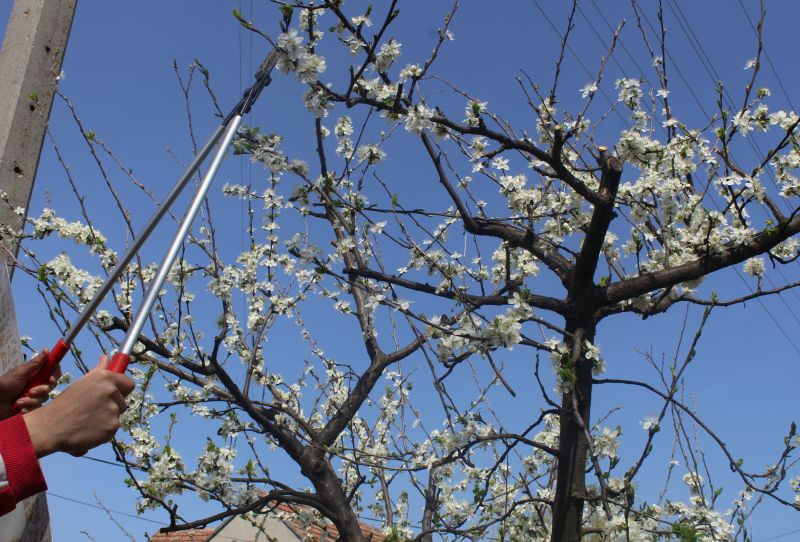
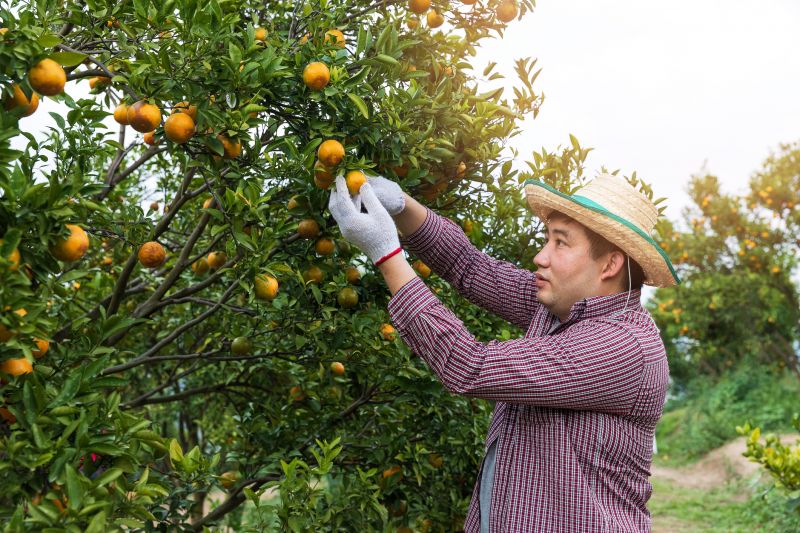
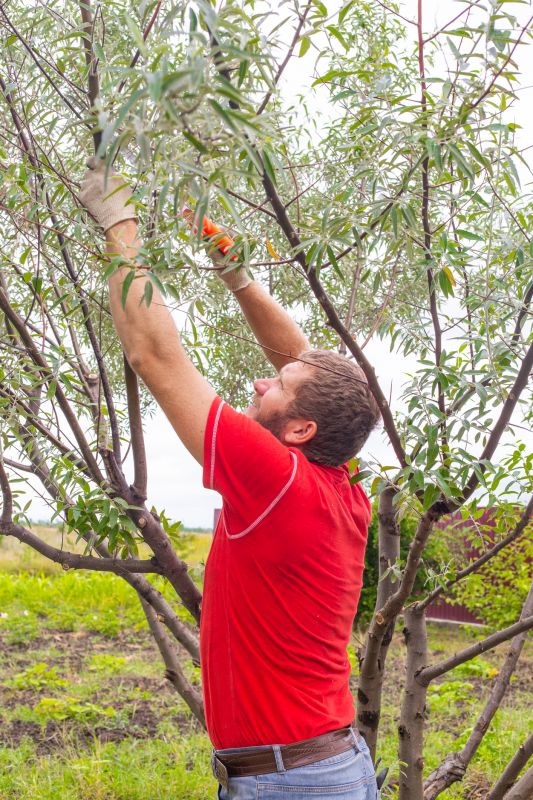
Pear trees pruning services involve selectively trimming and shaping pear trees to promote healthy growth and improve fruit production. This process typically includes removing dead, damaged, or diseased branches, as well as thinning out crowded areas to allow better air circulation and sunlight penetration. Proper pruning encourages the development of strong branches, reduces the risk of limb breakage, and helps maintain the overall shape and size of the tree. Local contractors experienced in orchard and landscape tree care can tailor pruning techniques to suit the specific needs of pear trees, ensuring they stay vigorous and productive.
Pruning pear trees can address a variety of common problems that may arise if the trees are left untrimmed. Overgrown branches can create dense canopies that trap moisture, leading to fungal diseases or pest infestations. Additionally, poorly maintained trees may produce fewer or smaller fruit, or develop structural issues that compromise their stability. Regular pruning helps prevent these issues by removing problematic growth early on, maintaining the tree’s health, and maximizing fruit yield. Property owners who notice signs of disease, broken branches, or uneven growth may find pruning services especially beneficial.
These services are often used on residential properties, including orchards, backyard gardens, and estate landscapes where pear trees are cultivated for fruit or ornamental purposes. Homeowners with mature trees that have become overgrown or are showing signs of decline frequently seek pruning to restore vitality and shape. Commercial property owners with larger orchards or landscaped grounds also rely on professional pruning to keep their trees healthy and productive. Regardless of property size, proper pruning can enhance the appearance of the landscape while supporting the long-term health of pear trees.
Homeowners should consider pruning services when their pear trees exhibit certain symptoms or conditions. Signs that a tree may need attention include excessive branch density, dead or diseased limbs, or uneven growth patterns. If a tree’s branches are becoming too heavy or are at risk of breaking, pruning can help reduce the danger and prevent damage to property or people. Regular pruning not only improves the tree’s health and appearance but also helps ensure a bountiful harvest or attractive ornamental display. Local contractors can assess individual trees and recommend the appropriate pruning techniques to meet specific needs.
The overview below groups typical Pear Trees Pruning projects into broad ranges so you can see how smaller, mid-sized, and larger jobs often compare in Brighton, MI.
In many markets, a large share of routine jobs stays in the lower and middle ranges, while only a smaller percentage of projects moves into the highest bands when the work is more complex or site conditions are harder than average.
Small Tree Pruning - Typical costs range from $250 to $600 for routine pruning of small to medium-sized pear trees. Many local contractors handle these jobs efficiently within this range, which covers regular maintenance and shaping. Larger, more complex projects can reach $700 or more, but they are less common.
Medium Tree Pruning - For larger pear trees requiring more extensive pruning, costs generally fall between $600 and $1,200. Many projects in this range involve thinning out branches or removing damaged limbs and are common for homeowners in Brighton, MI. Very large or complicated jobs may exceed this, but they are less frequent.
Large or Mature Trees - Pruning large or mature pear trees can cost from $1,200 to $3,000 depending on the size and complexity. These projects often involve professional equipment and specialized techniques, which are less common but necessary for safety and health of the tree. Most routine jobs do not reach this level.
Full Tree Removal - Complete removal of a pear tree typically costs between $500 and $2,500, with larger, more difficult removals reaching $3,000 or more. Many local service providers handle these jobs, which are usually needed when trees are severely damaged or diseased. Such projects are less frequent than pruning but are an option for certain situations.
Actual totals will depend on details like access to the work area, the scope of the project, and the materials selected, so use these as general starting points rather than exact figures.
Tree Trimming and Shaping - professionals who specialize in shaping trees and maintaining their health use similar pruning techniques as those for pear trees.
Ornamental Tree Pruning - local contractors experienced in pruning decorative and flowering trees apply comparable planning and tool use for aesthetic and health purposes.
Fruit Tree Care - service providers skilled in pruning and caring for fruit-bearing trees often handle tasks similar to pear tree pruning to promote growth and fruit production.
Landscape Pruning Services - experts who prune shrubs and landscape plants utilize similar skills in cutting, shaping, and planning for plant health and aesthetics.
Tree Removal and Stump Grinding - professionals involved in removing or managing large trees employ planning and equipment familiarity relevant to pruning large branches safely.
Hedge Trimming and Maintenance - local contractors who trim hedges and shrubs share techniques related to precise cutting and shaping that are applicable to pruning fruit trees.
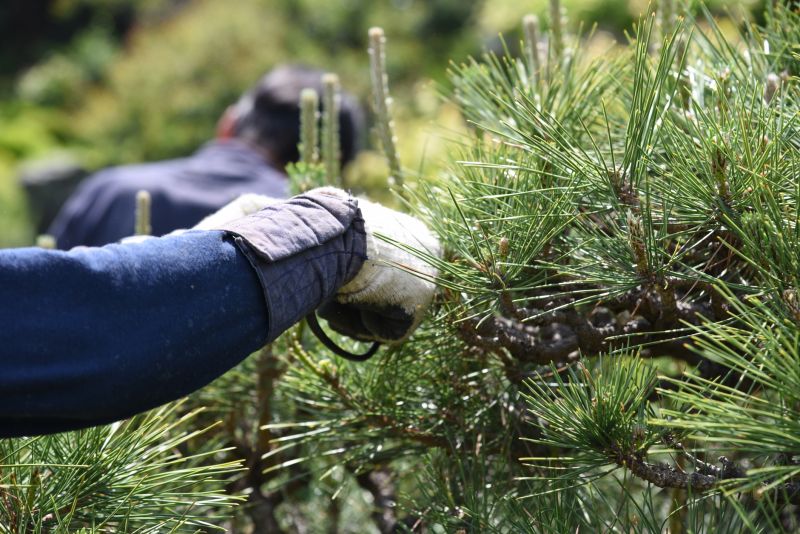
When selecting a contractor for pear tree pruning, it’s important to consider their experience with similar projects. Homeowners should look for service providers who have a proven track record of working with fruit trees or ornamental trees like pears. An experienced professional will understand the specific pruning techniques necessary to promote healthy growth, improve fruit production, and maintain the tree’s overall health. Asking about previous work on similar trees or requesting examples of completed projects can help gauge their familiarity with the unique requirements of pear trees.
Clear and detailed written expectations are essential for ensuring the scope of work aligns with a homeowner’s goals. Reputable service providers should be able to offer a comprehensive description of the pruning process, including what will be done, the tools used, and the anticipated outcomes. This clarity helps prevent misunderstandings and ensures both parties are on the same page. Homeowners are encouraged to seek out providers who communicate their process effectively and are willing to address any questions or concerns about the project upfront.
Reputable references and good communication are key indicators of a dependable contractor. Homeowners should ask for references or reviews from past clients who had similar work done, providing insight into the contractor’s professionalism and reliability. Additionally, responsive communication-whether through phone, email, or in-person discussions-can signal a contractor’s commitment to customer service and transparency. Since the website introduces homeowners to local service providers rather than performing the work itself, taking the time to evaluate these aspects can help ensure a positive experience with a qualified professional capable of handling pear tree pruning effectively.
Property owners in Brighton, MI use Pear Trees Pruning services for practical projects around their homes and businesses. This guide focuses on everyday jobs and straightforward project options.
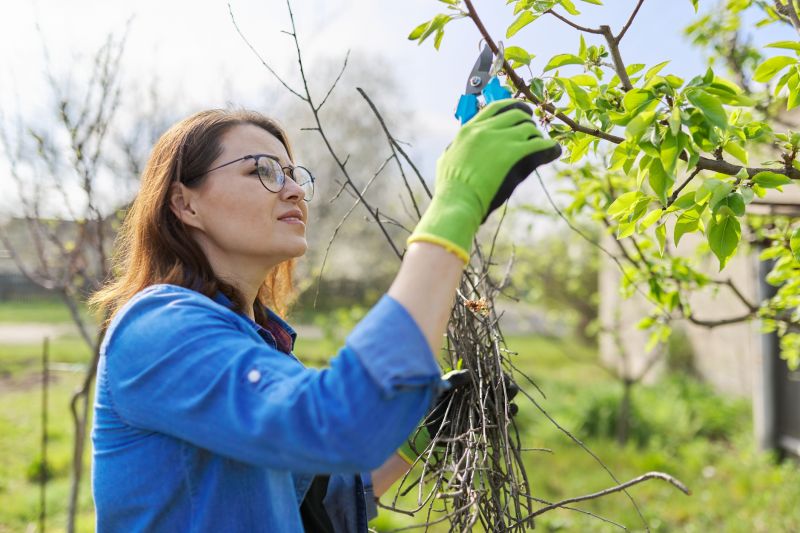
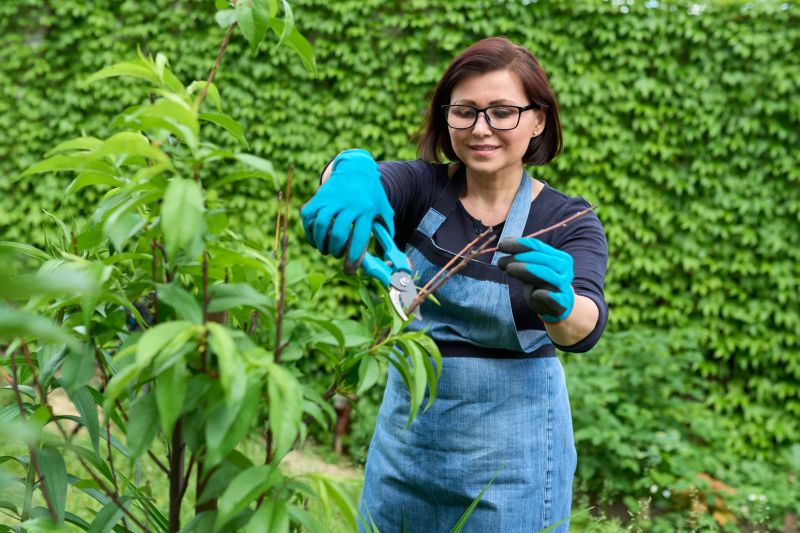
Property owners in Brighton, MI often seek professional pear tree pruning to maintain the health and appearance of their trees. Overgrown branches can interfere with nearby structures, block sunlight, or create safety hazards if they become weak or unstable. Local contractors can help ensure that pear trees are properly trimmed, promoting better growth and reducing the risk of falling limbs during storms or high winds.
Additionally, residents may look for pruning services to improve fruit production or to keep their trees looking tidy and well-kept. Regular pruning can prevent disease, remove dead or damaged branches, and enhance the overall shape of the tree. Service providers in the area are equipped to handle these everyday project situations, helping property owners keep their pear trees healthy and attractive.
Why is pruning pear trees important? Pruning helps maintain the health, shape, and productivity of pear trees by removing dead or diseased branches and promoting better air circulation.
When is the best time to prune pear trees? The ideal time to prune pear trees is during late winter or early spring before new growth begins, according to local seasonal conditions.
What pruning techniques do local contractors use for pear trees? Contractors typically use thinning cuts to remove crowded branches and heading cuts to shape the tree, ensuring proper growth and fruit production.
How can proper pruning improve pear tree yields? Proper pruning encourages stronger branch growth and better sunlight exposure, which can lead to healthier trees and potentially higher fruit yields.
Are there specific tools needed for pruning pear trees? Yes, tools such as pruning shears, loppers, and pruning saws are commonly used by service providers to ensure clean cuts and healthy growth.
Improve Tree Health - Regular pruning helps remove dead or diseased branches, promoting stronger growth and reducing the risk of damage during storms.
Enhance Property Safety - Trimming overgrown branches can prevent them from falling and causing injury or property damage in windy conditions.
Increase Sunlight and Airflow - Proper pruning allows more sunlight and air to reach other plants and grass beneath the trees, supporting a healthier landscape.
Maintain Aesthetic Appeal - Keeping pear trees neatly pruned ensures they look attractive and well-maintained throughout the growing season.
If you are thinking about Pear Trees Pruning for a property in Brighton, MI, this guide is meant to help you understand the work, the typical project types, and how different options might fit your plans.
When you are ready, you can use the quote form on this page to share a few details about your project. From there, local pros can review the basics and respond with options that match what you have in mind.